Think about the last time your child was upset but couldn’t explain why. Maybe it was after a difficult day at school, or before something they were nervous about. You could see something was wrong, but the words just weren’t coming.
What many parents don’t realise is that this isn’t about unwillingness. It’s about development.
The amygdala, which processes strong emotions like fear and stress, develops earlier than the prefrontal cortex, the part of the brain responsible for language, reasoning, and emotional regulation. In simple terms, children often feel more than they can explain. When emotions run high, it can actually become harder for the brain to access language at all.
That’s where art comes in.
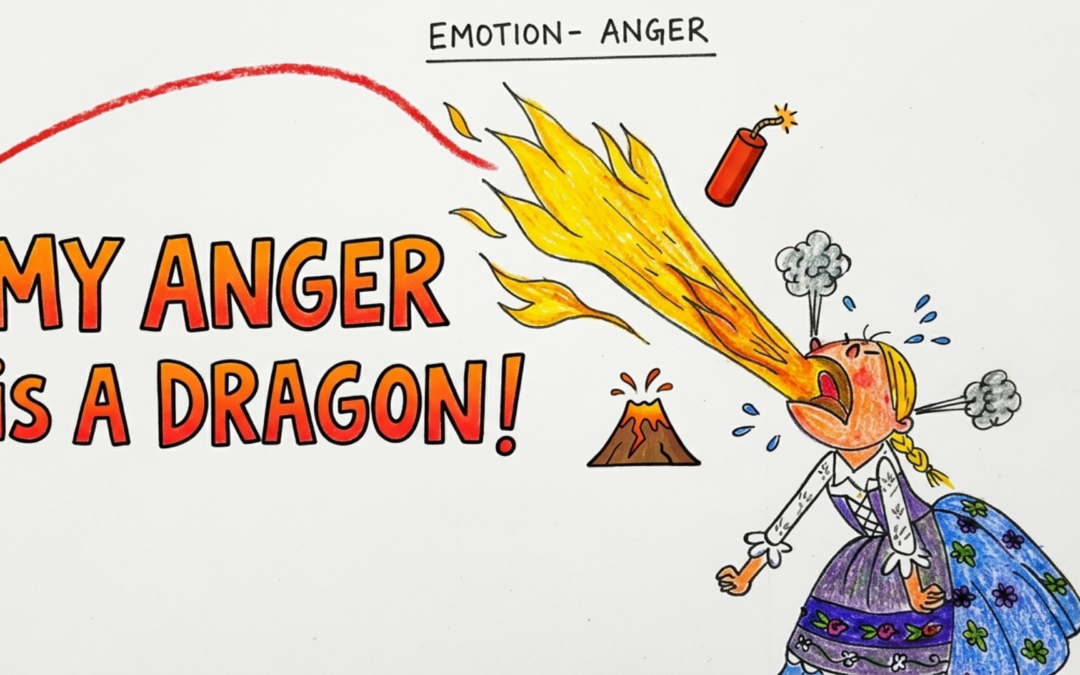
Drawing, painting, and play give children a way to express what they can’t yet put into words. These activities rely on non verbal processing, allowing children to represent their feelings symbolically. Research in developmental psychology and art therapy shows that this kind of expression can help children process emotions and reduce stress, especially in early years.
Put simply, when words aren’t available, expression still finds a way. And often, that way is art.
The Language Before Language
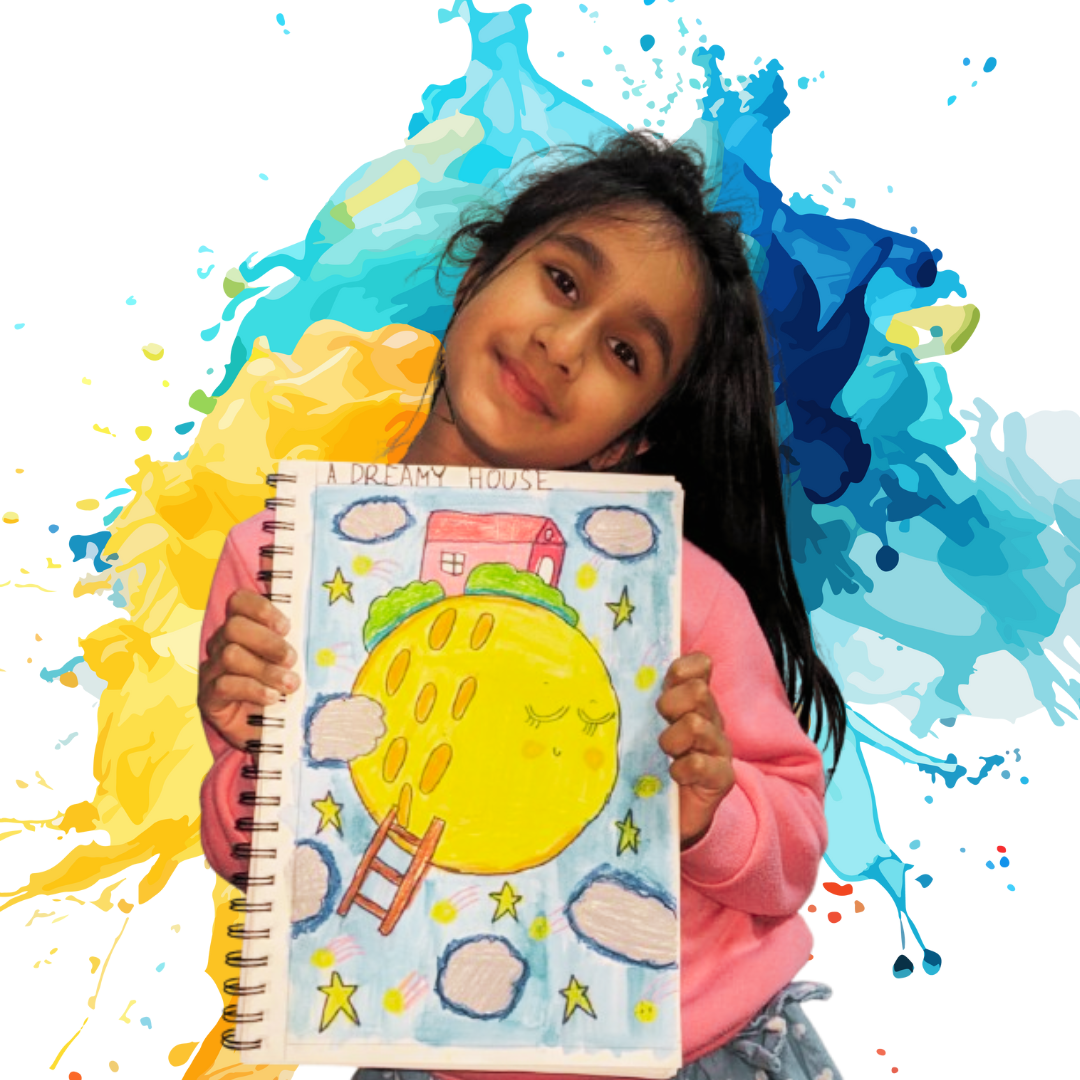
Long before children can explain themselves clearly, they can draw. They choose colours, make marks, and create images that reflect how they see and feel.
Art engages parts of the brain linked to emotion and imagination, which is why it often becomes a natural outlet. When a child turns a feeling into a drawing, something important happens. The emotion moves from being overwhelming and internal to something visible and manageable.
They’re no longer just in the feeling. They can see it.
Over time, children who regularly engage in creative activities tend to show better emotional regulation. These activities help build connections between emotional and cognitive systems in the brain, making it easier to process and eventually express feelings more clearly.
What Research Shows
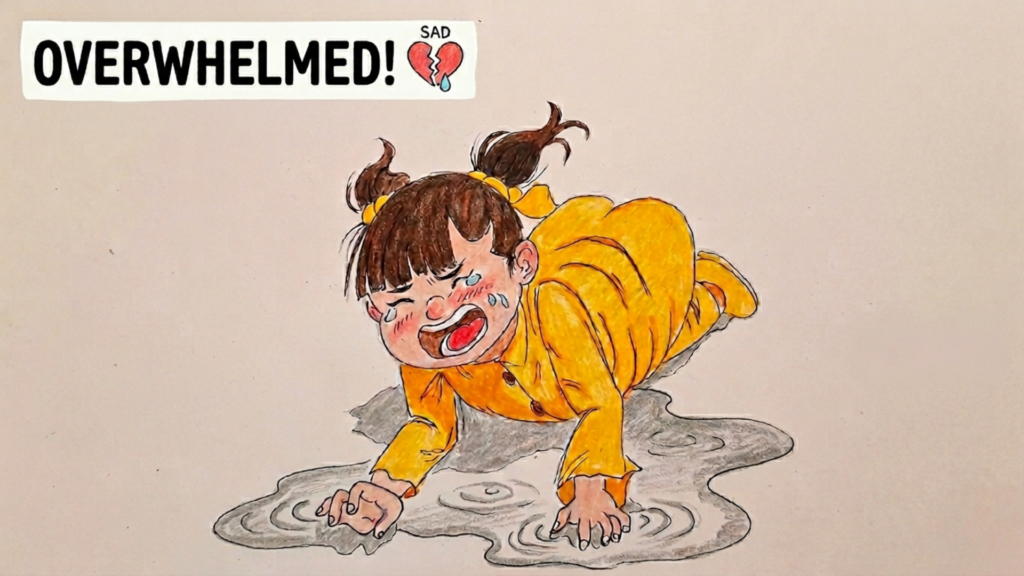
This isn’t just observation. A review by the National Endowment for the Arts found that early engagement in the arts supports social and emotional development, including improved regulation and interpersonal skills.
Children involved in consistent arts programming often show better cooperation, reduced anxiety, and less aggressive behaviour. Some studies also suggest that creative engagement strengthens problem solving skills, which makes sense since making art involves constant decisions and adjustments.
But what parents notice most isn’t the data. It’s the shift in their own child.
The child who used to shut down starts picking up a pencil when they’re upset. The one who couldn’t explain their feelings begins to show them through what they create. These are small changes, but they matter.
Art as a Way of Telling Their Story
At TACO (The Art Classes Online), this understanding shapes how art is taught.
The platform was founded by Pooja and Carol after years of working with children across India. Their approach is simple. Art is not just a skill, it is a form of expression.
Classes are designed so children don’t just copy techniques. They make choices, experiment, and create work that feels personal. The curriculum is built around themes, so each piece has meaning. Children are not just drawing, they are telling small stories.
For younger children, this might mean choosing colours that match how they feel or drawing scenes from their own world. For older children, it becomes more layered. A lesson in portrait drawing, for example, is not just about proportion. It is about observation, attention, and interpretation.
Confidence That Builds Quietly
One of the most noticeable outcomes is confidence.
Parents often see it show up in unexpected ways. A child speaking up more in class, sticking with something difficult for longer, or beginning to talk about what they’ve created.
Art offers something rare. A space where there isn’t a single right answer. Where effort shows. Where improvement is visible. And where a child’s perspective has value.
TACO’s small class sizes make a difference here. When teachers notice individual progress and engage with each child’s work, children feel seen. A child who feels seen is more likely to open up, both in their art and beyond it.
What You Can Do at Home
You don’t need a structured class to start. Keep simple materials within reach, paper, pencils, colours.
When your child seems overwhelmed, try asking them to draw what they’re feeling instead of explaining it. Often, that’s where real expression begins.
If you’re looking for a more guided space, TACO offers a free demo class where children can experience this approach firsthand.
About TACO
TACO (The Art Classes Online) offers live online art classes for children aged 4 to 14, with small class sizes, a structured curriculum focused on creative expression, flexible scheduling, and a free demo class for new students.