The question every parent of every child who starts something new, asks after a few weeks: Is this really working?
With some activities, it’s easy to answer. If it’s swimming lessons, the answer will be obvious the first time your child starts floating. But what about something like art? Is the picture better? It looks different from last month. Is different better? How do you even measure better?
The question itself is fair, and it doesn’t mean you’re being an unreasonable perfectionist. It means you’re investing valuable time and money into this activity, and you want to know it’s worth it.
So here’s the reality of what real progress looks like in an art class, and what you should expect at different levels of your child’s development.
The First Few Weeks: Don’t Look for Technical Improvement Yet
The biggest mistake parents make in the first few weeks of drawing classes is expecting the wrong kind of progress. They compare the first piece to the third piece and wonder why their child’s drawings don’t look drastically different.
But in the first few weeks, the key to progress isn’t technical. It’s attitudinal.
Is your child enthusiastic about the class? Do they want to go home and draw? Do they like the class? Are they talking about what they learned? Are they showing you things they discovered? Can they follow step-by-step instruction from the teacher? Are they more willing to have a go at things instead of saying “I don’t know how to do that” before they even begin?
These are signs of progress. They show that your child is developing a relationship with drawing, and that’s what all other progress builds upon. A child who wants to draw will improve. A child who is dragged to a drawing class every week may not, regardless of how good the instruction.
At TACO, this is something that’s monitored in the first few weeks. It’s taken as seriously as technique or technical knowledge. Without the first two, the third doesn’t follow.
What you can do as a parent is to validate the child’s expression of his/her art. Understand the child’s learning and ask the child to teach you or explain to you how they have done it. Did they draw and then color? What colors or mediums have they used and how they colored, etc.
Weeks Four to Eight: Watch for Specific Skills
At this point, you should begin to see some tangible changes in your child’s technique, though the age range will determine how quickly they progress.
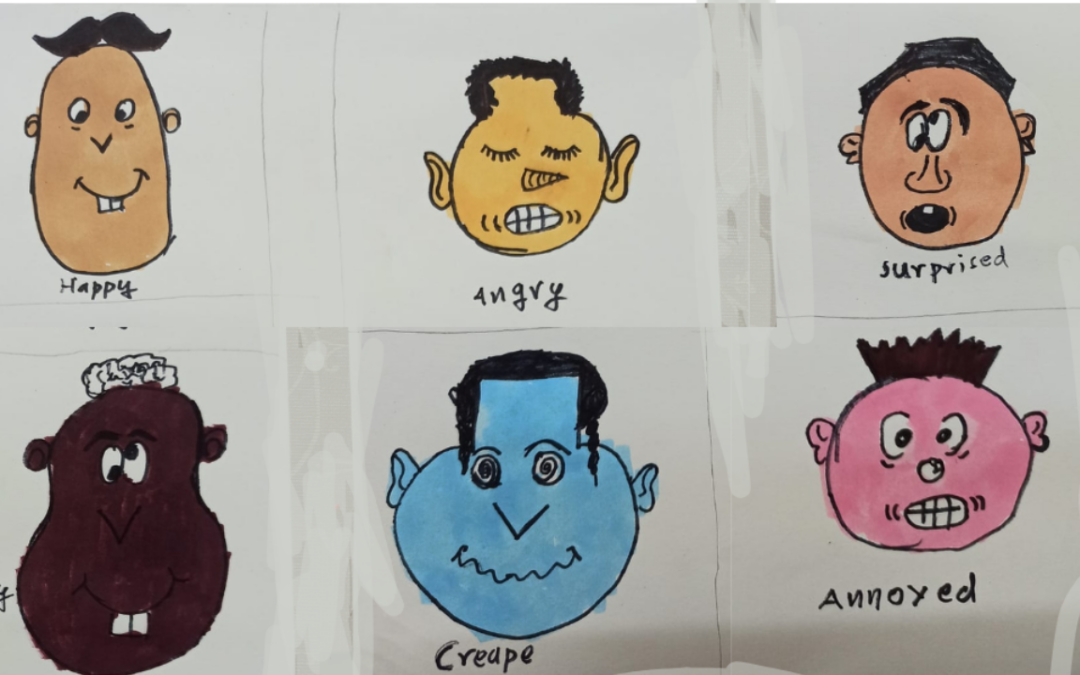
For the younger child, between the art online classes for ages of 4 and 7, you should see improvements in their use of line, their use of color, and their ability to use the page in a more deliberate way, not just wherever the pencil happens to drop. You may even notice that their drawings begin to have a more deliberate composition yet expressing themselves better rather than beng caged into doing what the teacher teaches alone. You will know that they’re thinking about where things go, not just randomly placing them.
For the older child, between the ages of 8 and 14, you should see more tangible improvements. Proportions should begin to look more correct. Shading should begin to appear. Their use of different mediums should become more confident. A child who used the watercolors in a tentative way in week two should use them in a noticeably more confident way in week eight.
What you’re not looking for is perfection. What you’re looking for is direction, and that is where we, as parents, let go. It is not necessary to monitor every aspect of your child’s Art, however, when they are eager to share, we hear.
The Three to Six Month Mark: This is Where It Gets Exciting
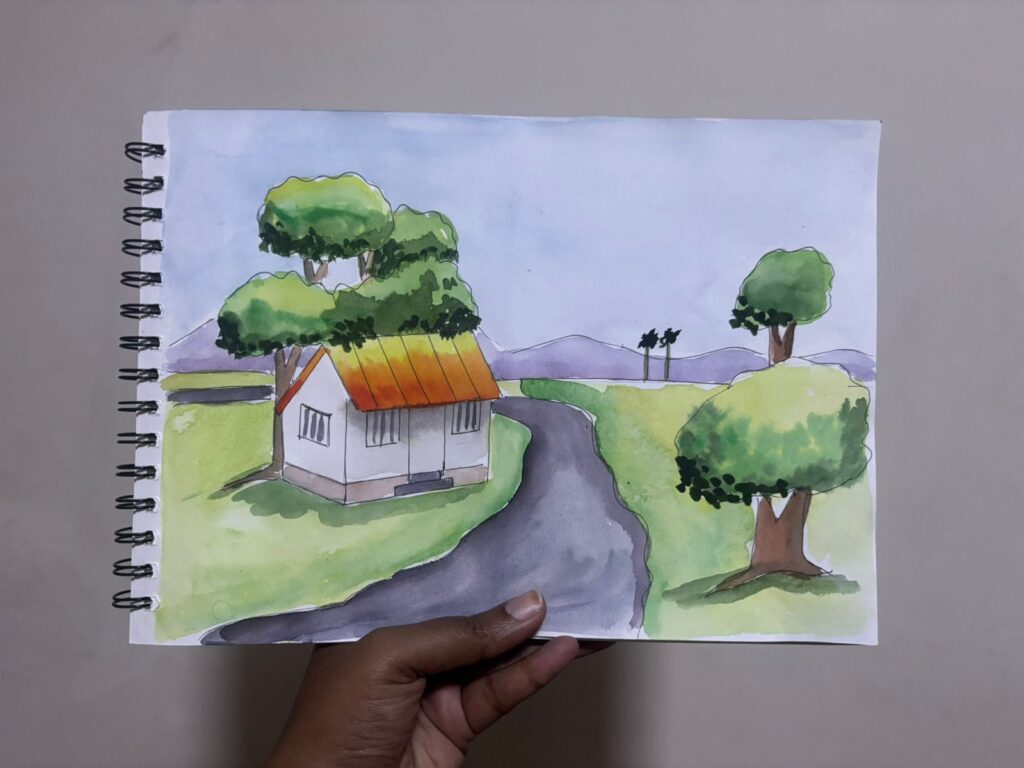
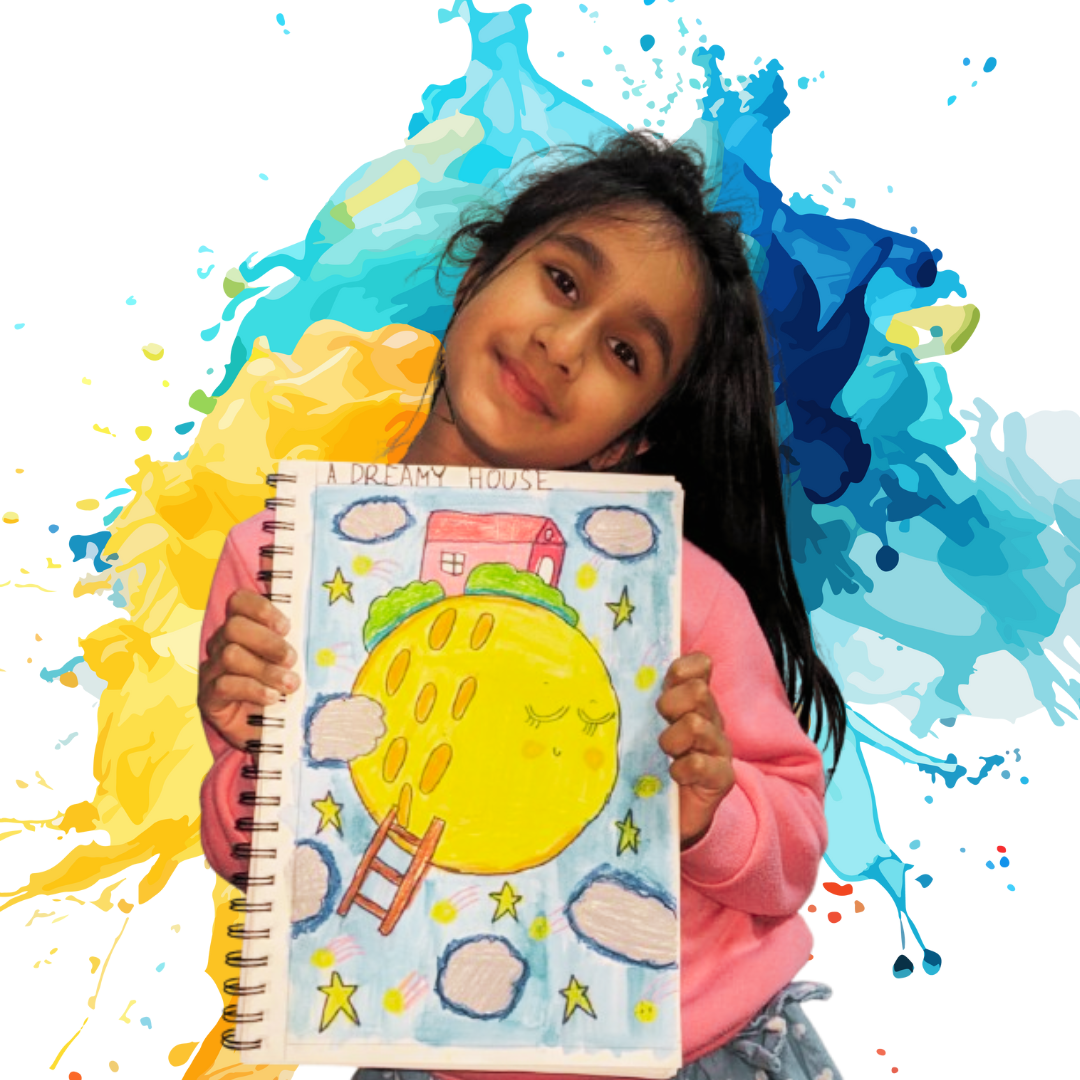
If your child has been participating in online drawing classes regularly and has been taking them seriously, it is around this time that you will be able to remark, “I don’t believe that the same child has done both of these!”
At this point, children who came into the classes as complete novices are now working comfortably with at least 2 mediums, sketching, watercolors, painting with acrylics or oil pastels, etc. They are no longer thinking about what they are going to draw, they are thinking about the composition and colors of what they are creating. They have their own ideas about what they like to do and what they like to create. They are no longer just doing what they are taught, they are creating!
The curriculum that TACO has put together for children of all ages, 4 to 7, the art online classes for 8 to 14, has this kind of growth built in, as they are always working on a different theme, so they are always building on what they have learned, not having to start over each time they attend classes. And because of the small classes, they can see the progress of each child individually and make changes if they
What Good Feedback Looks Like
One of the most telling measures of whether the drawing class is actually working on your child isn’t what they’re creating. It’s the quality of the feedback they’re receiving.
While “that was great,” “that was lovely,” and so on might be pleasant to hear, they don’t do much to help the child understand what they did well, what they might do differently, and what to focus on next time.
The kind of feedback that does help is more detailed, and that’s what our teachers focus on providing. It might be something like, “Your colouring technique f short strokes on the left side of the picture works really well. Let’s try to use that same technique on the right side of the picture – (short strokes instead of long strokes) and see what happens.” It looks at what’s working well and what might be improved, and it does so in such a way that the child feels encouraged to continue what they’re working on.
At TACO, the quality of personalized feedback is at the heart of every class. This means our teachers are familiar with every child’s work, simply because of the small class sizes. They understand how the child has improved over time, what they were working on last time and the improvement since then.
When Progress Slows Down
All kids have a plateau at some point or another. It is perfectly normal, and it is actually a sign that they are ready for the next level of challenge.
If your child seems to be turning in similar work for weeks at a time, it is something you might want to bring to their teacher’s attention. Our teachers are trained to observe this phenomenon before you do and are already thinking about how to introduce new challenges that will push the child forward without overwhelming him/her. This is just one benefit to a platform such as TACO, where the teacher is a trained educator, not just an artist.
The bottom line is that progress in art is not just visible when a child is being taught well but is free and abstract, serving as a medium for expression, and it just takes knowing what to look for and giving it enough time to show up.
If you want to see what that progress looks like in practice, start with TACO’s free demo class artheartclassesonline.com and let your child show you what they’re capable of.
TACO (The Art Classes Online) offers live online art classes for children aged 4 to 14, with small class sizes, a structured curriculum, flexible scheduling across time zones, and a free demo class for all new students.