Online Live Art Classes for Kids
Top Rated on Google
Over a decade’s experience in Art Education
Book A Free Demo
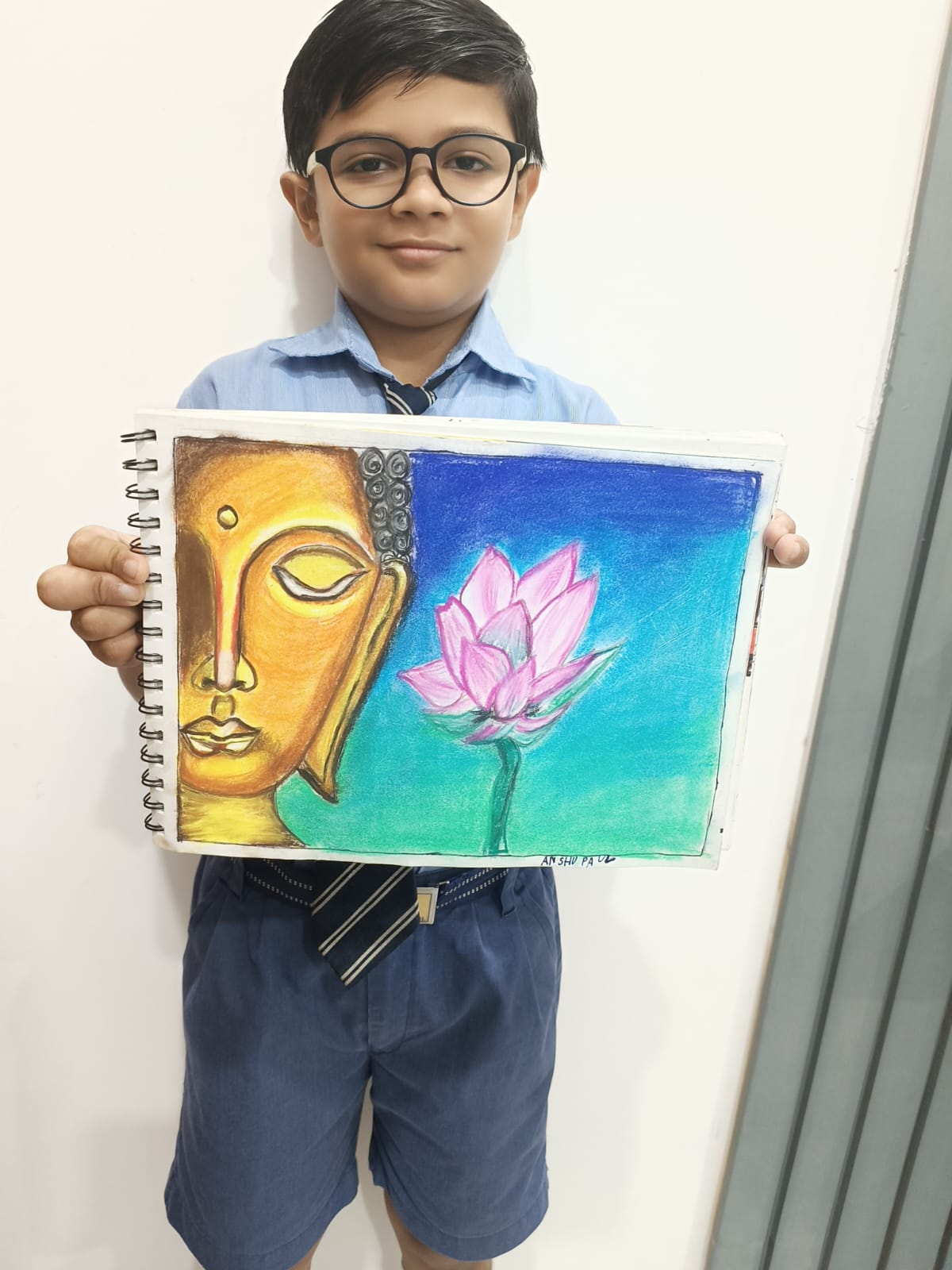
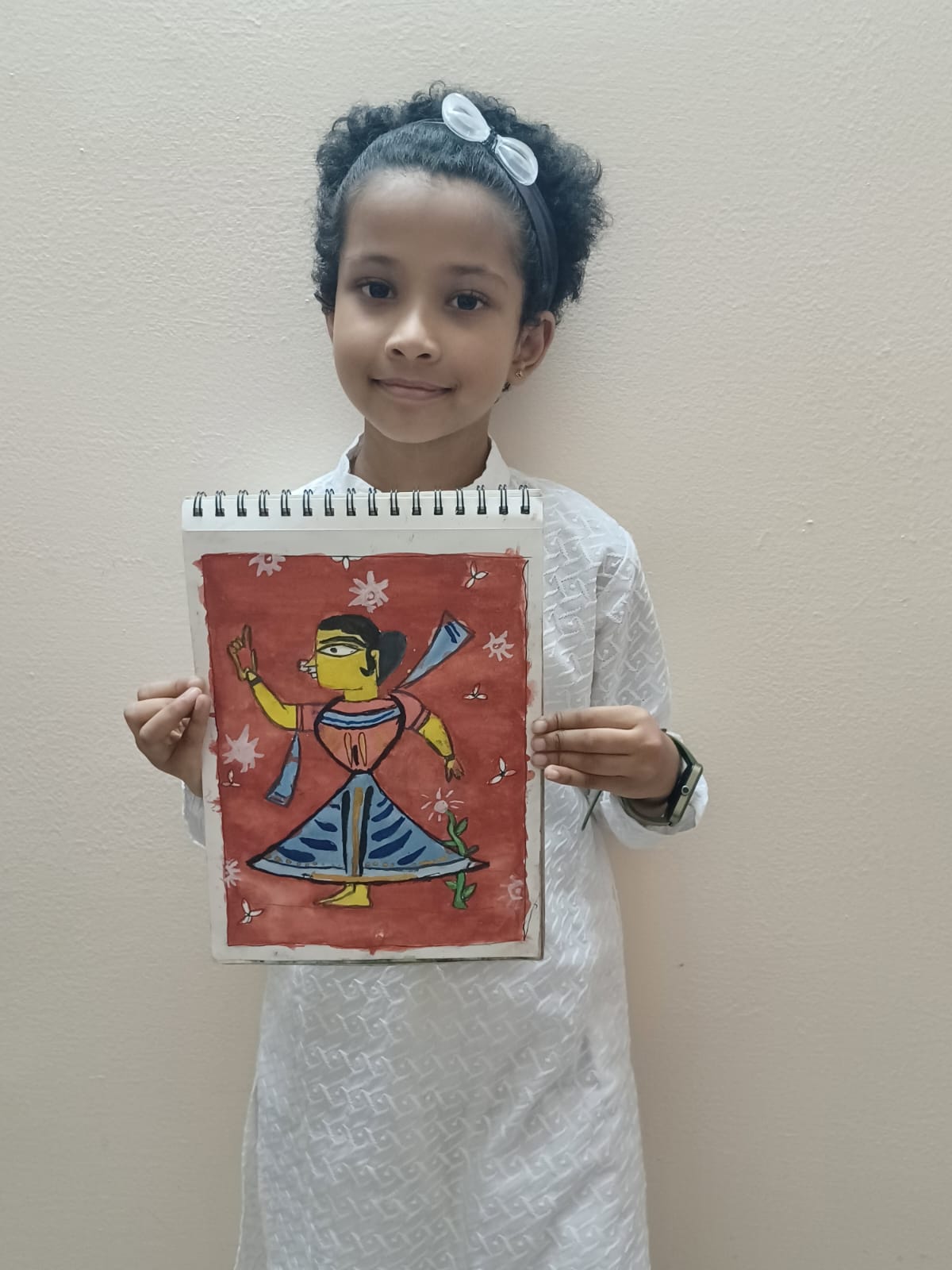
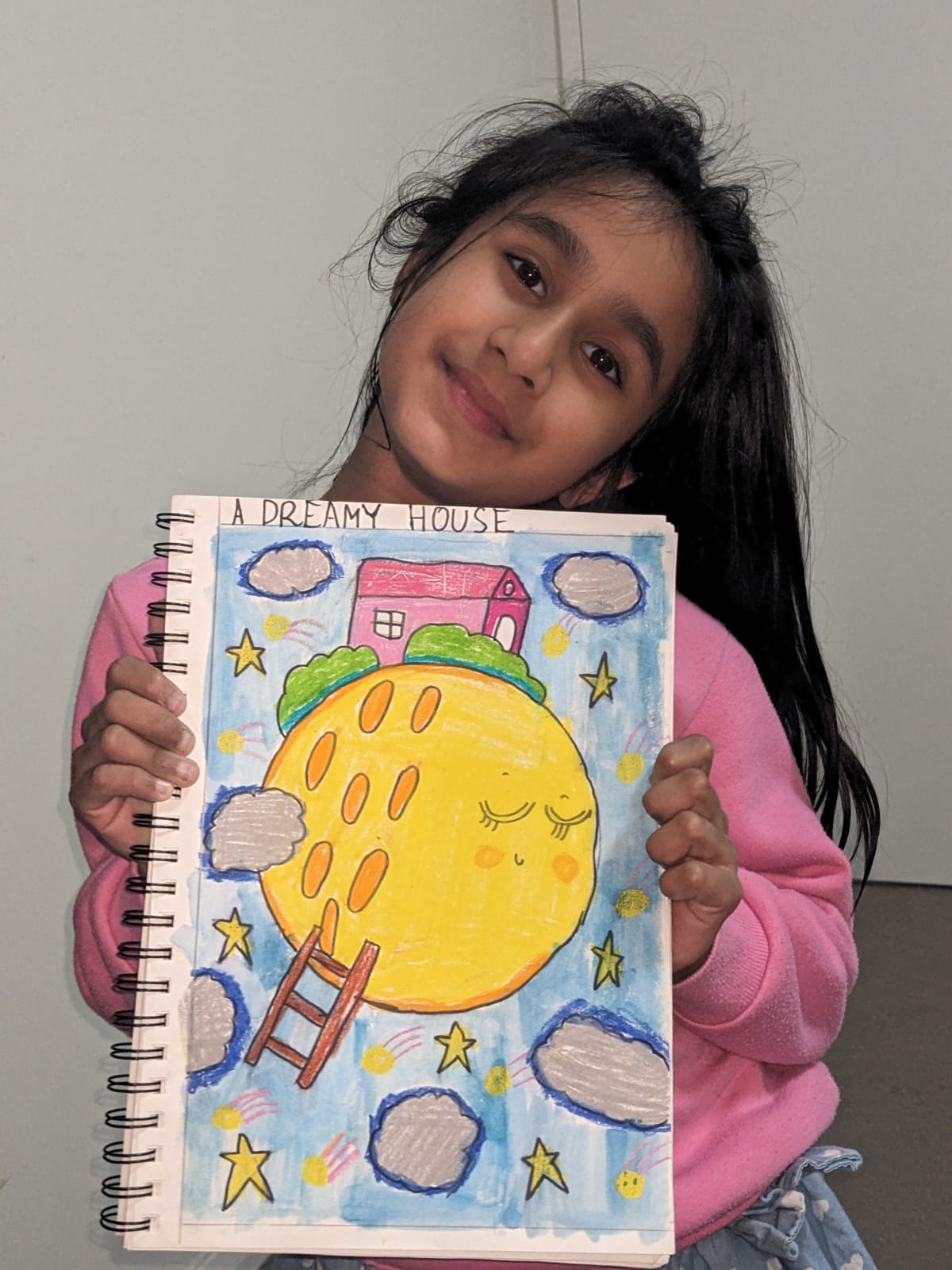
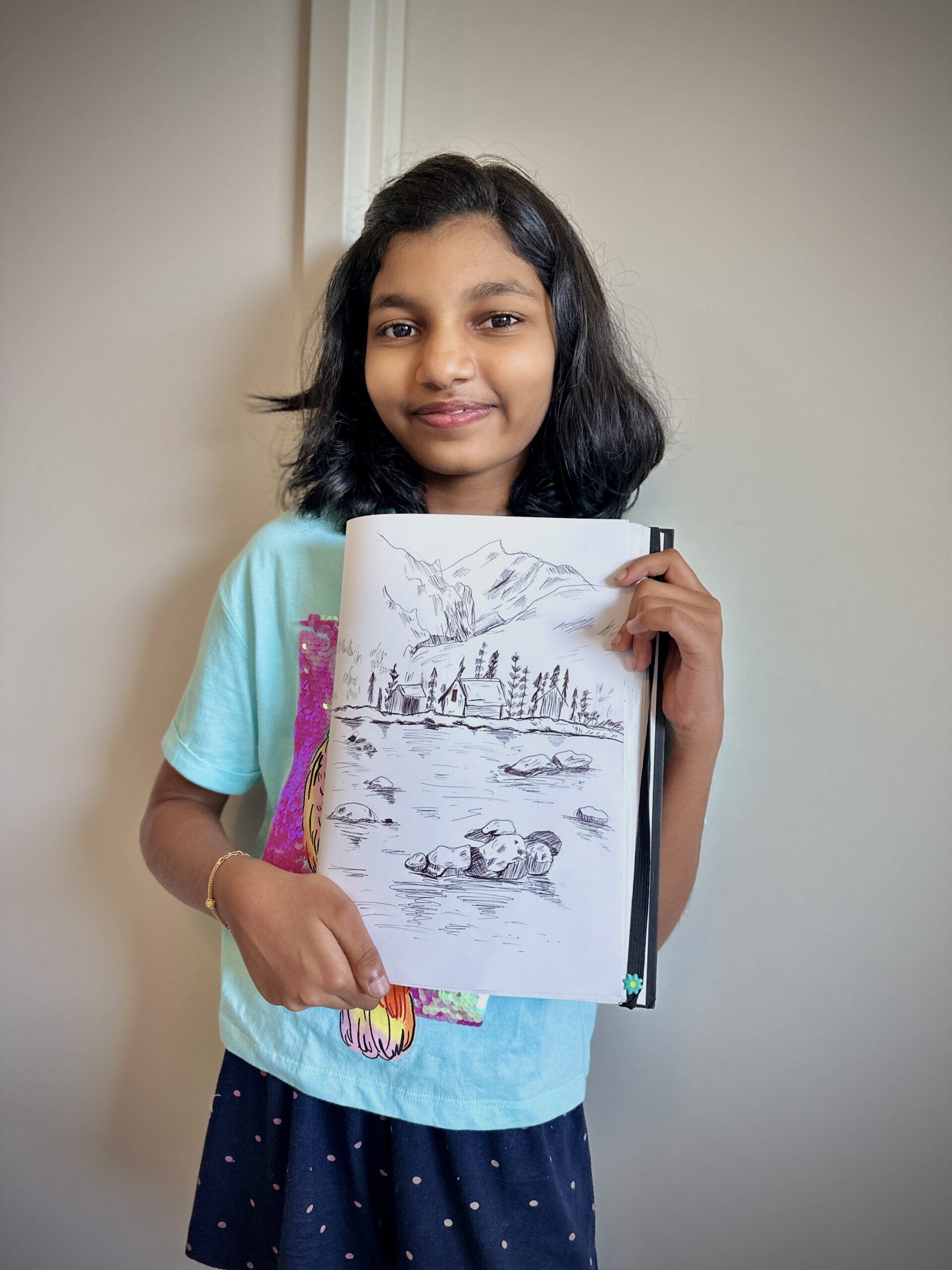
Enroll your child for TACO’s Online Art Classes Today!
Age and Skill-appropriate
- For 4 to 14 years
- Small class size grouped by Age and Skill level
- Customized Tutorials and Syllabus for each age group

Expert Instructors
- A team of Passionate, Experienced, and Engaging teachers
- Learn from Teachers who inspire Creativity and Encourage Experiments
- Personalized Feedback and Tailored Guidance

‘Tried & Tested’ Curriculum & Pedagogy
- Thematic Curriculum to encourage enthusiasm and creativity in learning.
- Exposure to diverse mediums and techniques – Drawing, painting, watercolors, sketching, Acrylics, Oil pastels, Soft pastels, and more
- Simplified way to learn a variety of art styles
Global Accessibility with Flexibility
- Learn from the comfort of your home with flexible time options
- Multiple batches for different time zones
- Compensatory classes for missed ones
- Flexible schedules to fit into your family routines
Our Philosophy
At the core of our philosophy is the belief – ‘Art is a powerful medium of expression’
We encourage children to think creatively and see Art as Storytelling and Self- Expression rather than just a technical Skill
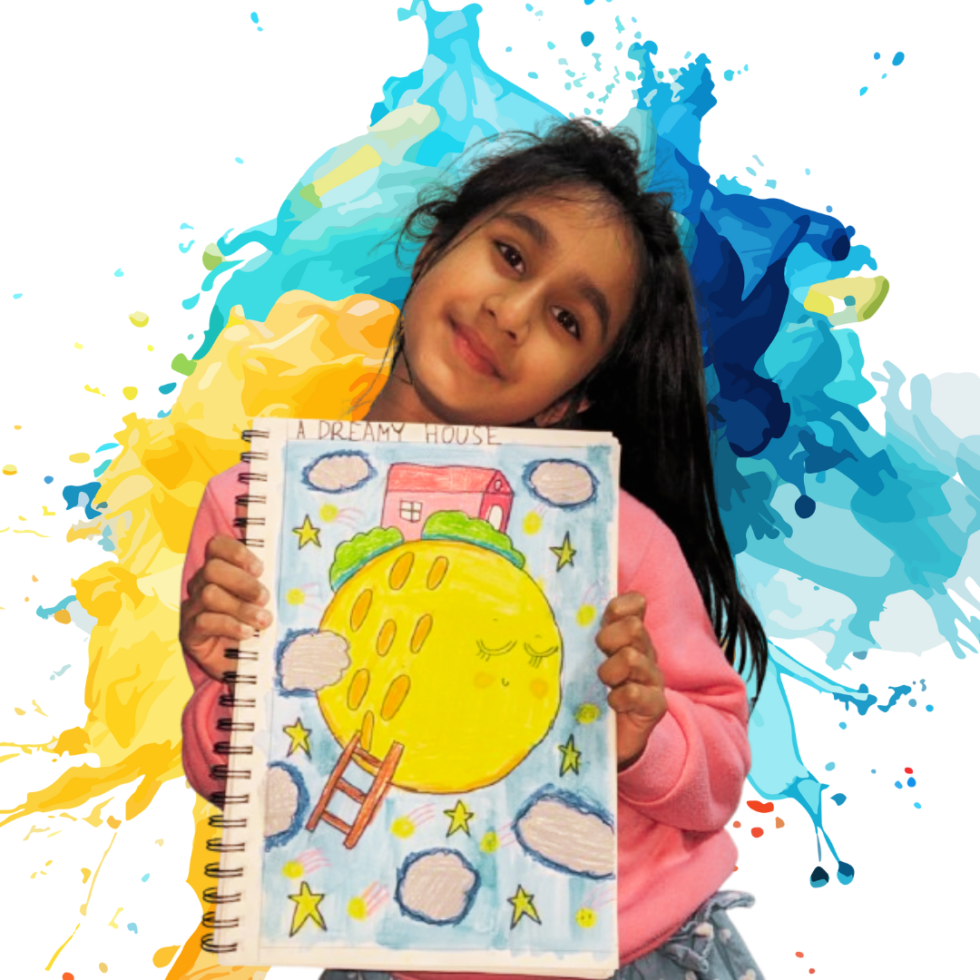
Don’t Just Take Our Word for It – Hear from Our Happy Students!
Explore Our Other Courses
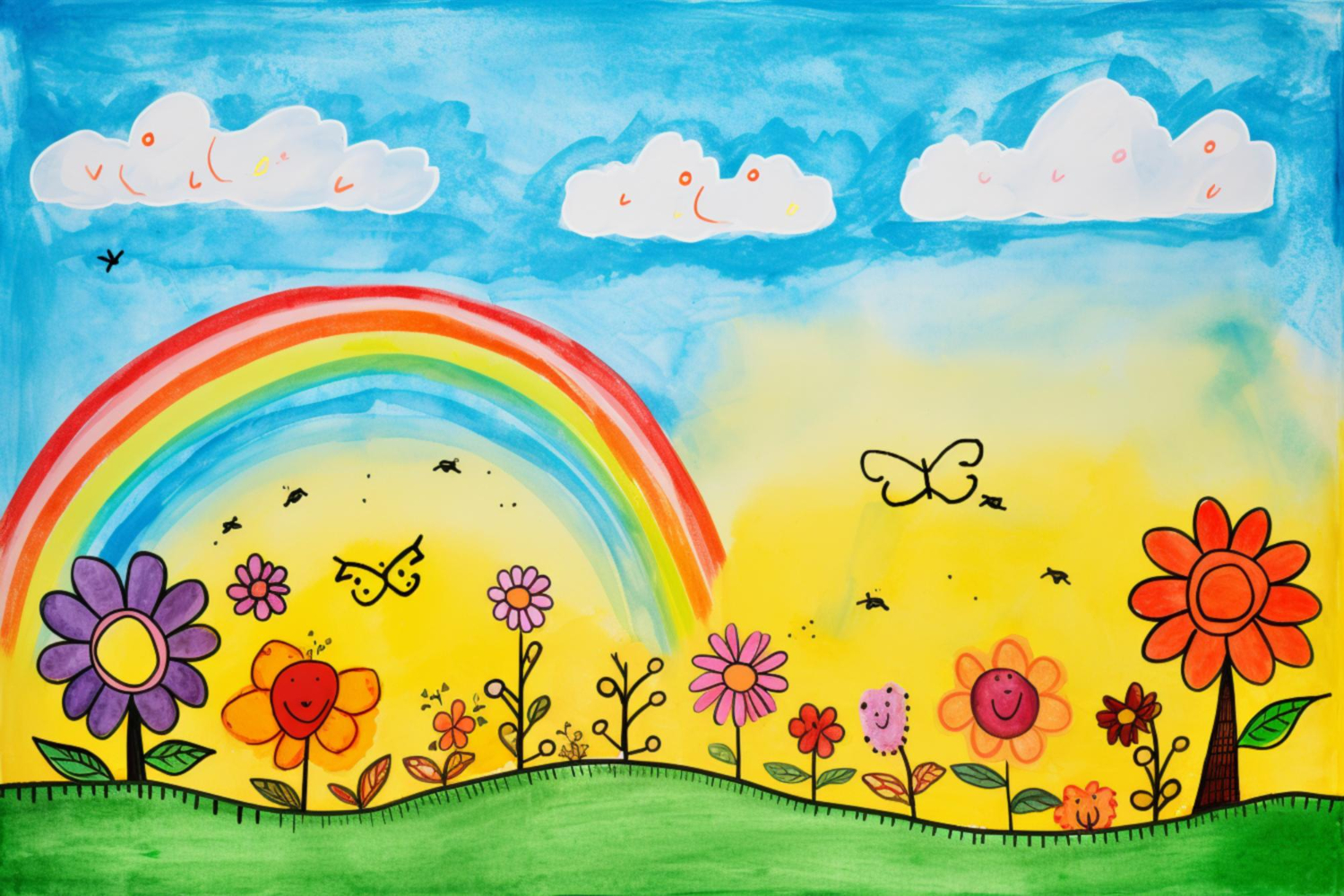
Online Art Classes
Unlock creativity with engaging, expert-led virtual art classes lessons
Know more
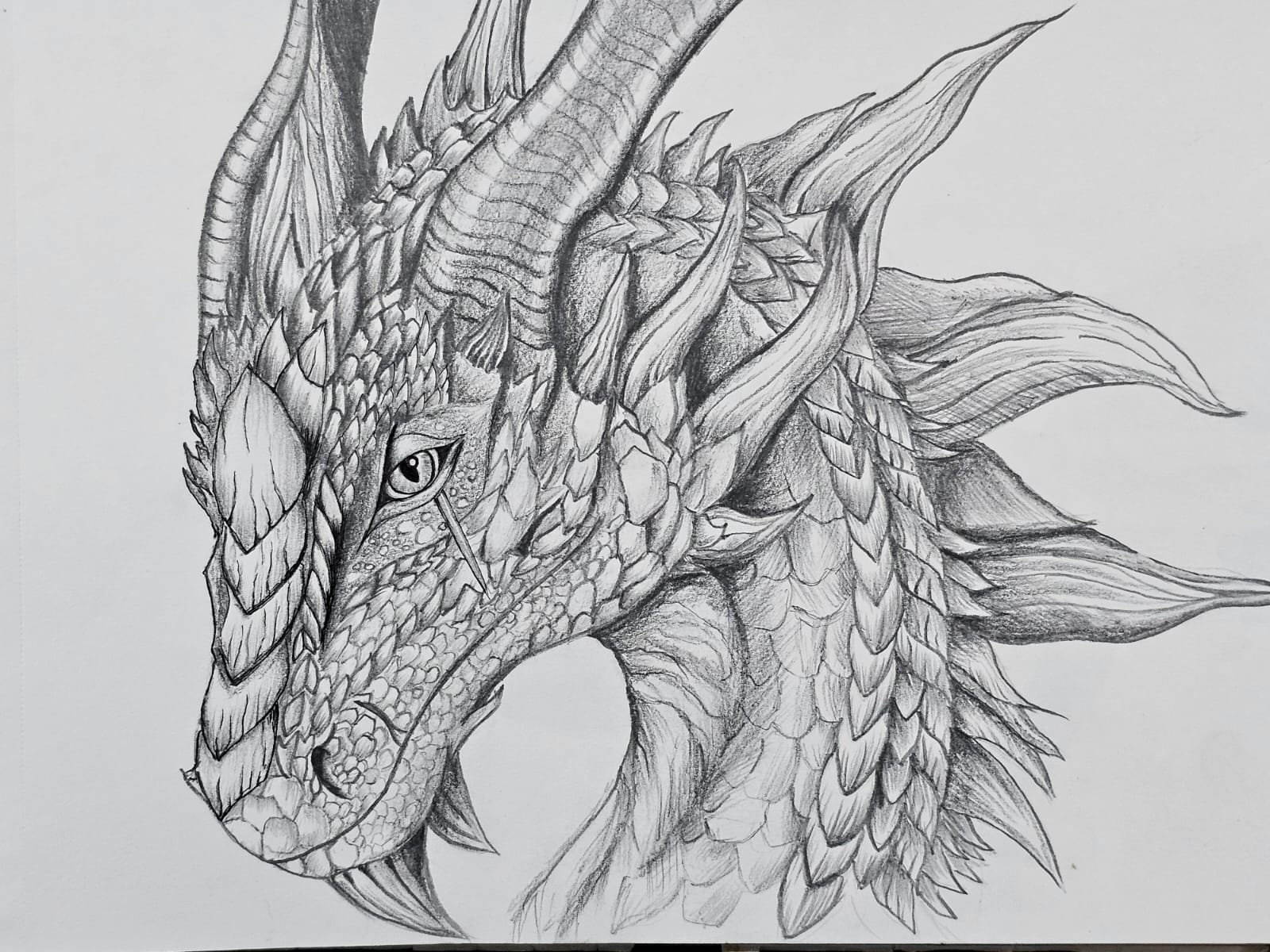
Sketching
Master essential Pencil Sketching and shading techniques and explore the magic of Graphite.
Know more
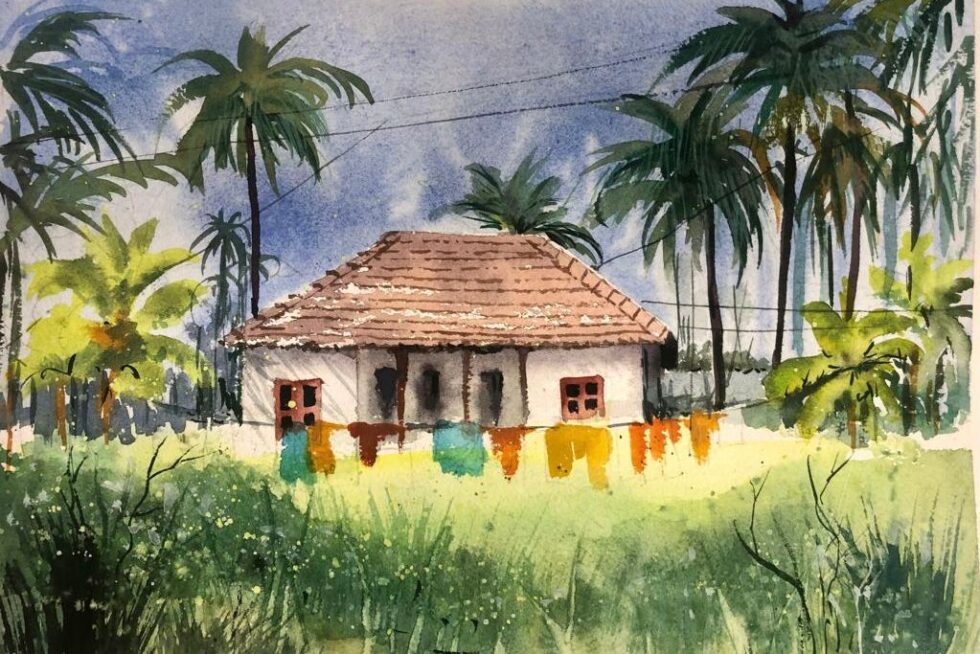
Water Colour
Discover the art of this fluid and transparent artform with vivid, flowing techniques.
Know more
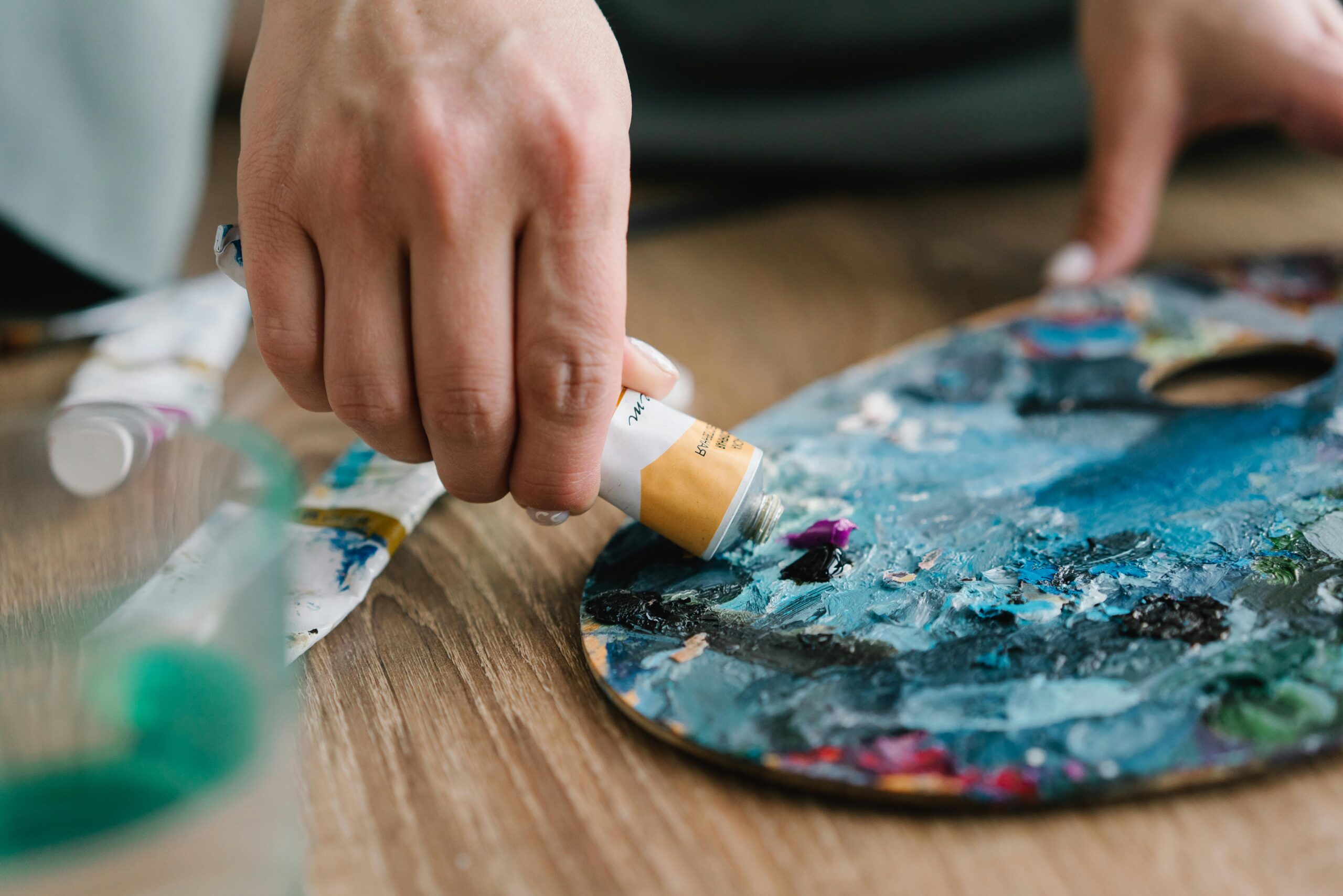
Acrylic
Learn the bold Acrylic painting techniques to create striking, textured art.
Know more
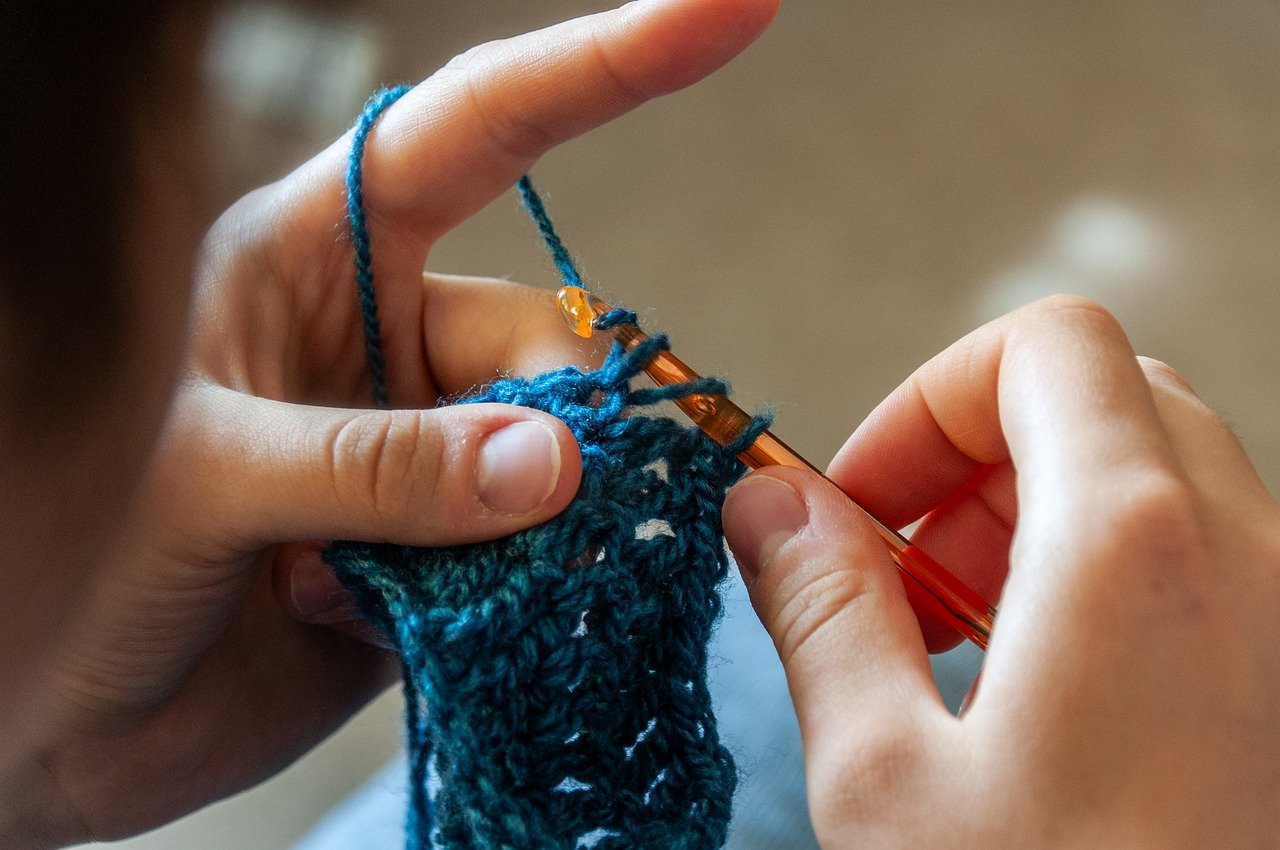
Crochet
Create beautiful and intricate designs, from beginner stitches to advanced patterns.
Know more

Soap Making
Craft chemical free soaps with personalized, handmade soaps with unique designs & natural ingredients.
Know more
Frequently Asked Questions
1. What age groups are the online art classes suitable for?
Our online art classes are designed for children aged 4 to 14. Students are placed in classes that match their age and skill level to ensure personalized and practical learning.
2. Are these classes suitable for beginners?
Yes, the program caters to all skill levels, from beginners to advanced learners.
3. What is the duration of each class?
Each class lasts for 1 hour, designed to keep children engaged and productive.
4. What types of art will my child learn?
Your child will explore various artistic mediums, including oil pastels, colored pencils, sketching, watercolor painting, poster and acrylic painting, mixed media, and more.
5. Who are the instructors?
Our instructors are experienced art educators, with foundational guidance provided by Dr. M.S. Murthy, a renowned expert in art education.
6. What art styles and techniques will be covered?
The program includes still life, landscapes, portraits, color theory, mixed media, and studies of famous artists and cultural art forms.
7. Do you offer trial classes?
Yes, we provide a free demo class to help parents and children experience learning it first hand
8. How does TACO ensure personalized attention in each class?
We maintain small class sizes to provide individualized attention, allowing our skilled teachers to focus on each student’s artistic growth and tailor instruction to their needs.
9. Do you offer group classes or individual sessions?
We offer group classes and maintain small class sizes to provide individualized attention. Individual sessions are also offered; contact us to learn more.
10. Which online course is best for drawing?
The best online course for drawing is one that teaches skills step by step and provides clear guidance through structured classes. A good drawing course should help kids understand simple shapes, shading, and observation before moving into more detailed work. Many programs also include practice assignments so students can apply what they learn. When choosing a course, look for experienced instructors and well-organized lessons that gradually build confidence and creativity.
11. What is the 70/30 rule in drawing?
The 70/30 rule in drawing is a simple concept used to create balance in artwork. It suggests that around seventy percent of the drawing should stay simple, while the remaining thirty percent includes the main details or focal point. This basic approach helps artists avoid overcrowding their work. Understanding such fundamental ideas can make drawings clearer and guide the viewer’s attention to the most important area of the composition.
12. Where can I learn drawing online?
You can learn drawing online through digital art platforms, guided workshops, or structured learning programs. Many courses provide step-by-step demonstrations that help learners understand techniques gradually. These options allow students to practice drawing from home while receiving guidance from experienced instructors. Online learning also makes it easier to revisit lessons, repeat exercises, and improve skills at a comfortable pace.
13. Is drawing talent or skill?
Drawing is mostly a skill that develops with regular practice. While some people show early interest in art, improvement usually comes from observation, patience, and repetition. Kids and children who practice drawing consistently often see clear progress over time. By studying shapes, proportions, and everyday objects, anyone can gradually strengthen their artistic ability and gain confidence in their creative expression.
14. What art style does Gen Z like?
Many Gen Z artists enjoy creative and expressive styles that are easy to share on digital platforms. Drawing and painting styles such as digital illustration, anime-inspired characters, and modern portrait artwork are especially popular. These styles allow artists to experiment with colors, storytelling, and personal expression. Social media has also encouraged younger creators to explore new visual trends and develop their own unique artistic identity.
15. Why do most artists quit?
Some artists stop drawing because they feel their progress is too slow or compare their work with others. Painting and drawing both require patience and regular practice, which can sometimes feel challenging. Another reason is a lack of motivation or guidance. However, artists who continue practicing and learning gradually improve their skills and discover greater enjoyment in the creative process.
16. What are the 5 basics of drawing?
The five basics of drawing include line, shape, proportion, shading, and composition. Practicing these basic elements helps artists build strong visual understanding. Many beginners start with simple pencil sketches to develop control and observation skills. Learning these fundamental concepts allows artists to create more accurate and expressive drawings as they continue improving their technique.
17. What are the 7 types of drawing?
There are many types of drawing that artists can explore depending on their interests. Common examples include line drawing, figure drawing, cartoon drawing, geometric drawing, perspective drawing, portrait drawing, and realistic drawing. Some of these styles are closely connected with painting and fine art traditions. Exploring different approaches helps artists discover new techniques and expand their creative abilities.
18. Is drawing harder than painting?
Drawing and painting require different techniques, so one is not necessarily harder than the other. Drawing focuses more on structure, lines, and proportions, while painting involves working with colors and textures. Many artists begin with drawing because it helps them understand shapes and composition. Once these skills are developed, moving into painting becomes easier and more intuitive.
19. What are the 3 C’s of art?
The three C’s of art are commonly described as creativity, composition, and craftsmanship. Creativity allows artists to express ideas in unique ways. Composition focuses on how elements are arranged within a drawing or painting. Craftsmanship refers to the level of skill used to complete the work carefully. These principles are important in many areas of fine art and creative design.
20. Is drawing good for your brain?
Yes, drawing can be very beneficial for the brain. Creative activities encourage focus, observation, and problem-solving. Many kids and children improve their concentration and imagination when they practice drawing regularly. Art also provides a relaxing way to express ideas and emotions, making it both mentally stimulating and enjoyable.
21. What age is best to start drawing?
Children can start exploring drawing at a young age, often around four years old. At this stage, kids begin experimenting with shapes and lines, which supports early education and creativity. Encouraging drawing during childhood helps develop fine motor skills, imagination, and confidence. However, people can start learning art at any age and still enjoy the process.
22. What are the 7 steps to drawing?
A simple drawing process usually begins with observing the subject carefully. Artists then sketch basic shapes before refining the outlines and structure. After that, details are added gradually, followed by shading to create depth. Many learning programs and workshops teach these steps as part of a drawing course. Practicing this process helps artists develop confidence and consistency in their work.
23. Can I learn drawing online for free?
Yes, it is possible to learn drawing online for free. Many websites and art platforms provide simple lessons that introduce the basics of sketching and observation. Kids who are curious about art often begin with these resources before joining structured classes. Free tutorials can help learners practice regularly and build confidence. Over time, consistent practice and guidance allow beginners to improve their drawing abilities naturally.
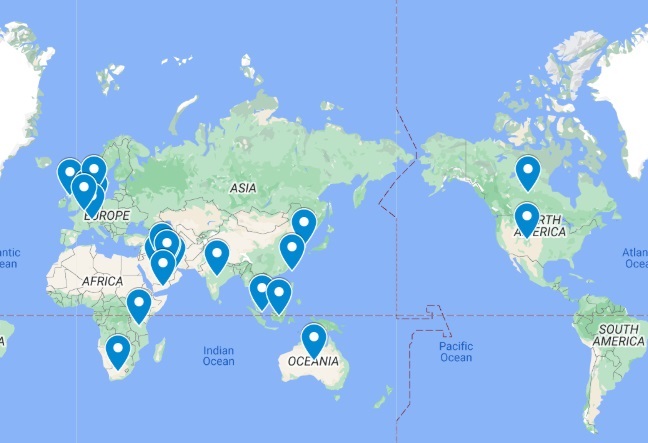
Inspiring young artists across the globe